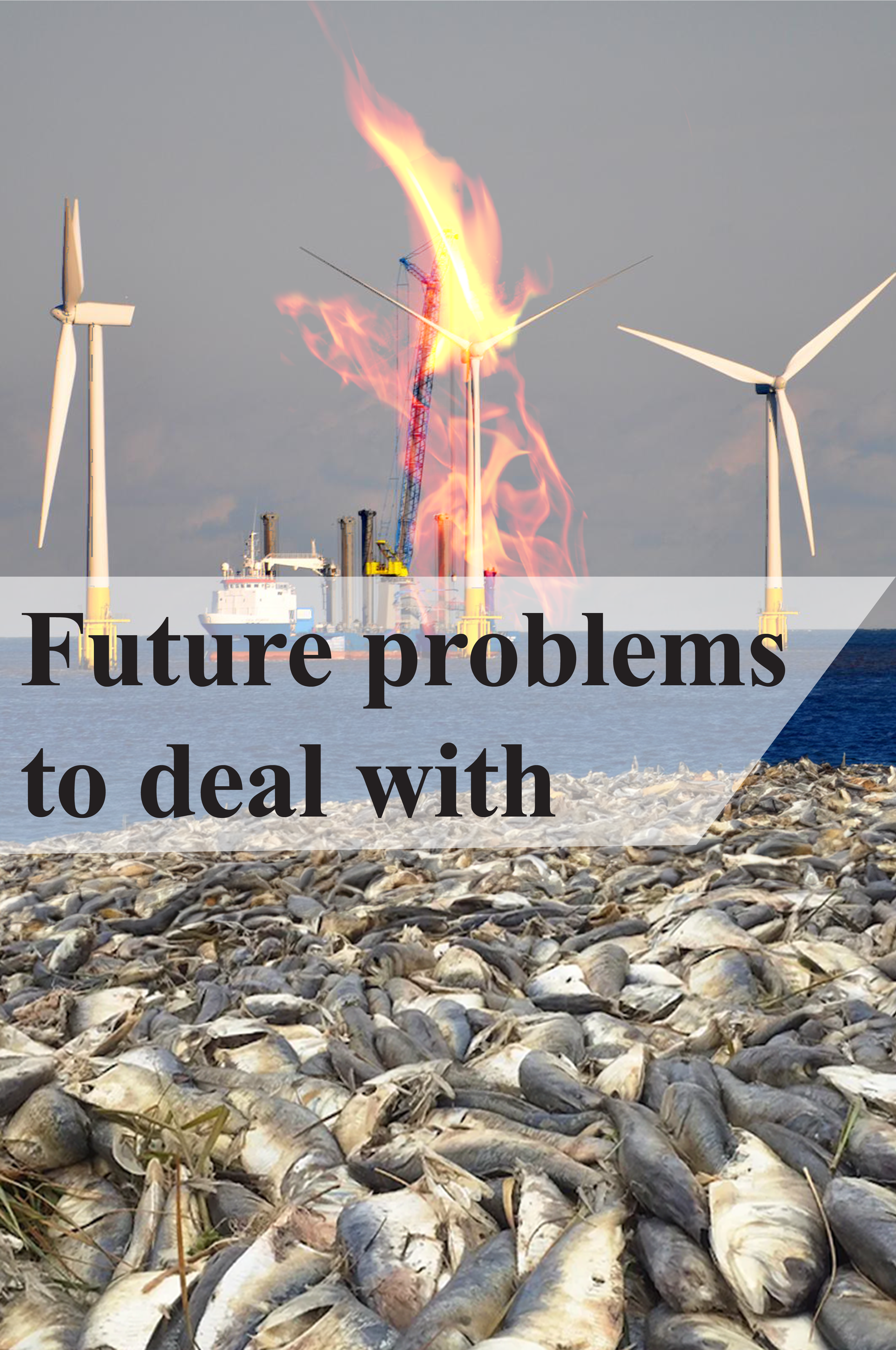
Interview with Jerry Leeman: Today we bring you a story about a handful of fishermen rallying against a billion-dollar green industrial project, shady foreign corporations, and our own federal and state government. All are conspiring to generate a cash cow for...
Government | Articles
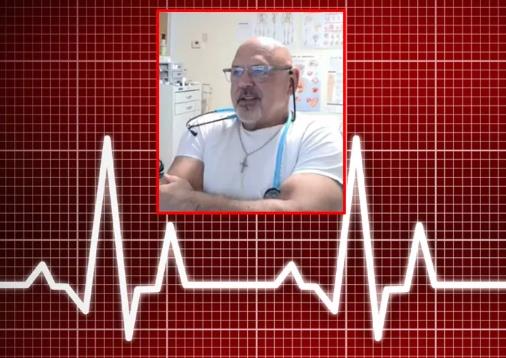
Shot, Silenced, and Smeared: One Physician’s Ordeal with Abuse of Process and his Continued Fight to Clear his Name
By Greg Yates The criminal case People v Gosselin took place in a little red house structure known as the “Town of Highland Justice Court” located in Sullivan County, New York. This little red structure is also known as the Barryville Town Hall, where court is...
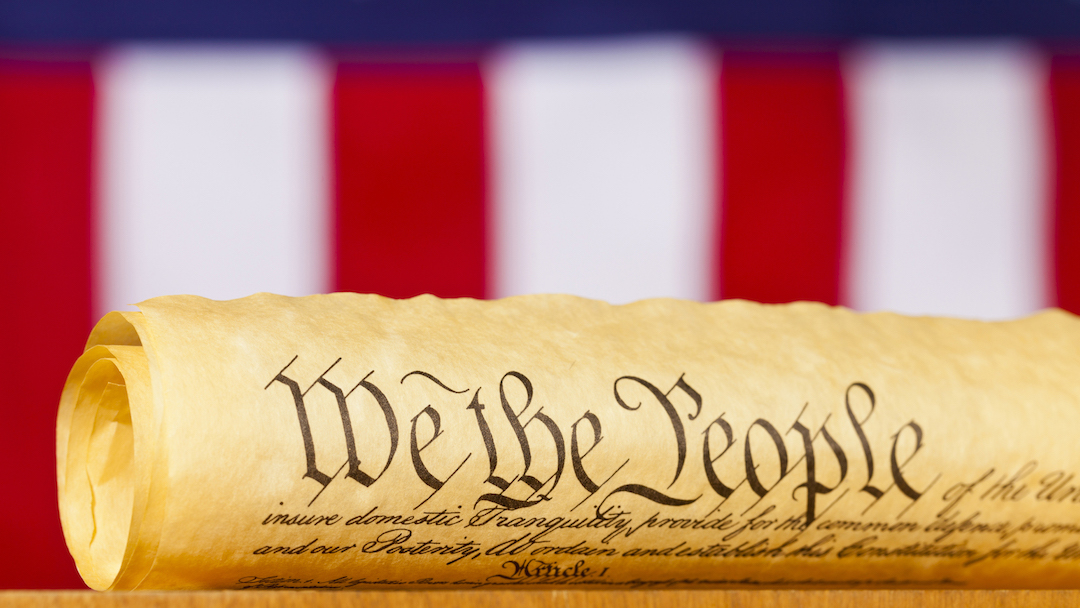
How to Think About the American Revolution
* SPECIAL SEMIQUINCENTENNIAL ISSUE *The revolutionary and founding generations did their heroic part in bequeathing to us this legacy of freedom. So abundant is this gift that to live up to it is the most fulfilling thing we can do.
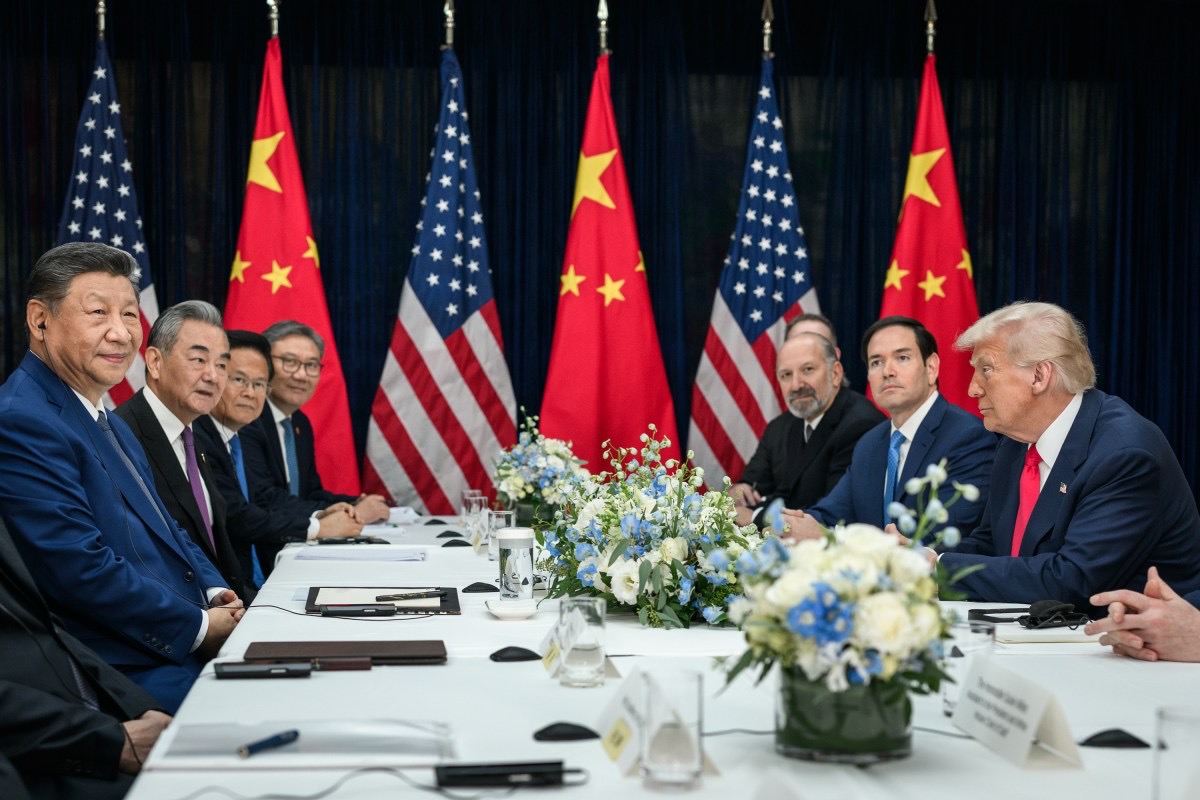
Recovering the Lost Art of Diplomacy
Diplomacy is an art and is best defined by its outcomes rather than by its processes. The most consequential outcome by far is the constraint of the power of one’s adversaries.
The Dangers of Undermining U.S. Civil–Military Relations
The video draws service members into a political dispute, sowing discord, which is especially dangerous during periods of political tension.
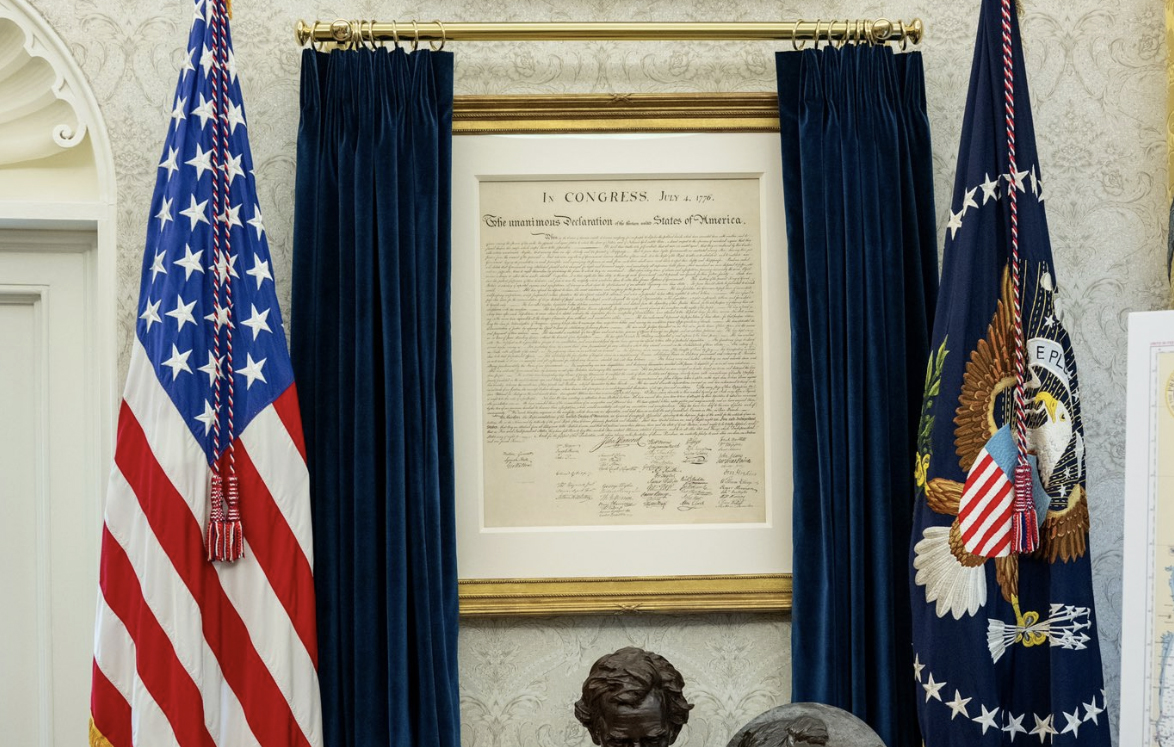
Today’s Firestorm and the Declaration
A proper celebration of the Declaration will be helpful in all our troubles. It will be helpful to the young men and women who are lost today by helping them to rediscover nature and reason.
Lawlessness Is a Choice
With their dehumanizing rhetoric and soft-on-crime policies, progressives create permission structures that excuse crime and violence, remove accountability, and blur the distinction between right and wrong. As if that weren’t enough, in New York they have also created powerful disincentives for good citizens to protect themselves or others from crime.
Restoring American Culture
Trump has repeatedly said that his common-sense revolution would usher in a “new golden age.” In the context of unleashing the economy and technological innovation, we can understand this to mean literal gold. But a large part of our new golden age will be aggregated under the rubric of normality. The return of common sense is also the return of the normal. What would that look like in the realm of culture?
What We Know and What We Don’t About January 6
Defenders of the official narrative accuse those who ask such questions of being conspiracists. But until those questions are answered, our understanding of January 6—no matter our political leanings—will be incomplete.
Drain the Swamp
It may become possible to restore constitutional government in place of the administrative or bureaucratic state that has almost overtaken it. That is the issue that matters the most. The worst evils stem from it. The strongest resistance guards its entrenchment.
Populist Conservatism and Constitutional Order
American conservatism exists to serve the people and the nation through the Constitution. This includes defending them against enemies foreign and domestic. And the fact is, elite institutions have become the people’s and the nation’s enemies. They are openly waging cultural war on those they ostensibly serve. They cannot be negotiated with or accommodated. They must be defunded, disbanded, and disempowered. The rewards for doing so—for putting American families first again—will be greater than we can know.
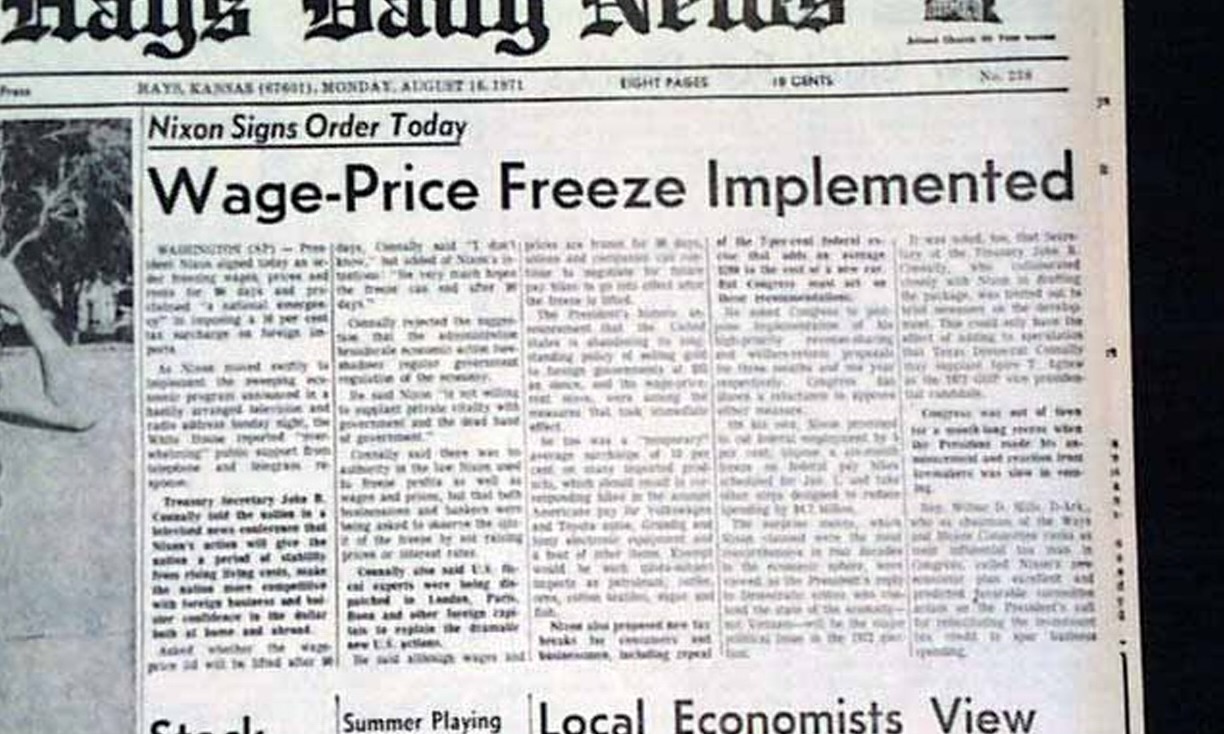
The Dangers of Price Controls
What the government ought to be doing to counter inflation and get prices low is to free and encourage the producers—not to put them in a straitjacket by fixing prices.
Our Out-of-Control Federal Law Enforcement Agencies
How do we regain control over the ATF and other federal law enforcement agencies? Not through congressional hearings that provide a forum for political showboating and partisan posturing and go nowhere. The American people must demand that Congress either reassert its authority over these agencies or else abolish them and start anew.
Spiraling Violence in Chicago: Causes and Solutions
Murders nationwide in 2020 rose a stunning 29.4 percent over the previous year, the largest annual increase since the FBI began tracking that data in the 1960s. The number of murders in Chicago climbed even more sharply, rising 55 percent. It was as if a switch had been flipped. At least ten major U.S. cities hit new murder highs in 2021, but Chicago led the way with 797, the city’s highest number in 25 years.
What Is the Great Reset?
The following is adapted from a talk delivered at Hillsdale College on November 7, 2021, during a Center for Constructive Alternatives conference on “The Great Reset.”
Science, Politics, and COVID: Will Truth Prevail?
All indications are that those in power have no intention of allowing Americans to live normally—which for Americans means to live freely—again. And sadly, just as in Galileo’s time, the root of our problem lies in “the experts” and vested academic interests.
A Sensible and Compassionate Anti-COVID Strategy
We should respond to the COVID virus rationally: protect the vulnerable, treat the people who get infected compassionately, develop a vaccine. And while doing these things we should bring back the civilization that we had so that the cure does not end up being worse than the disease.
Facing Up to the China Threat
History will record that America’s China policy from the 1970s until recently was very costly because it involved a great deal of self-deception about the nature of the Chinese regime and the men who were running it.
Four Months of Unprecedented Government Malfeasance
The coronavirus lockdowns demonstrated our leaders’ ignorance of economic interdependence. After the riots, that ignorance has been shown to run far deeper. It is an ignorance about government’s most fundamental obligation: to safeguard life, liberty, and property. It is an ignorance about human nature and human striving.
“American citizenship is eroding”
Ancient authors from Plato to Tacitus have suggested that affluence combined with leisure creates a laxity that leads to the kind of societal and institutional disintegration we are currently seeing. Another major ingredient is the failure of our education system to offer disinterested instruction, following from the post-1960s takeover by the Left of our colleges and universities.
Clarence Thomas and the Lost Constitution
While the hallowed doctrine of stare decisis—the rule that judges are bound to respect precedent—certainly applies to the lower courts, Supreme Court justices owe fidelity to the Constitution alone, and if their predecessors have construed it erroneously, today’s justices must say so and overturn their decisions.
The Danger of the Attacks on the Electoral College
The measure of our fundamental law is not whether it actualizes the general will—that was the point of the French Revolution, not the American. The measure of our Constitution is whether it is effective at encouraging just, stable, and free government—government that protects the rights of its citizens.
Politics by Other Means: The Use and Abuse of Scandal
To understand a political scandal fully, one must take into account all of the interests of those involved. The problem is that these interests are rarely revealed—which is precisely why it is so tempting for partisans, particularly if they are at a political disadvantage, to resort to scandal to attack their opponents.
How and Why the Senate Must Reform the Filibuster
Given its record of abuse in recent years, the Senate needs to repair its rules regarding the filibuster.
The Next Supreme Court Justice
The appointment of the next Supreme Court justice could be the most legally significant event for our country in a generation.
Reviving a Constitutional Congress
Congress, despite its complaints about executive and judicial poaching, has been giving up constitutional powers voluntarily and proactively for decades.
The Problem of Big Government
As a rule, people who make good choices succeed, and people who make bad choices fail.
The Case for Repealing Dodd-Frank
Just as ObamaCare was the wrong prescription for health care, Dodd-Frank was based on a faulty diagnosis of the financial crisis.
Federal Student Aid and the Law of Unintended Consequences
Federal student financial assistance programs are costly, inefficient, byzantine, and fail to serve their desired objectives.
What Public Employee Unions Are Doing to Our Country
Across the nation we have governors and mayors trying to solve their public employee problems with varying degrees of seriousness.
The Crisis of the European Union: Causes and Significance
Europeans today prefer leisure to performance, security to risk-taking, paternalism to free markets, collectivism and group entitlements to individualism.
The Right to Work: A Fundamental Freedom
It is time to push home the point that all American workers should be granted the full freedom of association in the area of union membership.
Alaska’s Promise for the Nation
The key to our becoming self-sufficient—and doing our part for our fellow Americans—is to develop further our state’s vast natural resource wealth.
The Case for Terrestrial (a.k.a. Nuclear) Energy
The sun has been our prime source of energy throughout human history, but energy is also generated in the earth itself.
Global Warming: Man-Made or Natural?
I believe that sound science and good sense will prevail in the face of irrational and scientifically baseless climate fears.
The History and Possible Revival of the Fairness Doctrine
It may best serve its high purpose when it induces a condition of unrest, creates dissatisfaction with conditions as they are, or even stirs people to anger
Ronald Reagan, R.I.P.
Of course it was not Reagan’s words alone that caused the Wall to come down in Berlin or the Evil Empire that built it to crumble. But the words were vital.
Our Embattled Constitution
The unique power of the Lincoln theme is suggested by the fact that it has occasioned more titles in the world’s libraries than any other name.
Rolling Back Government: Lessons from New Zealand
What we’re seeing around the world at the moment is a silent revolution, reflected in a change in how people view government accountability.
The Liberal Assault on Freedom of Speech
America has less freedom of speech today than it has ever had in its history. Yet it is widely believed that it has more.
Special Sesquicentennial Feature: The College and the Republic
The law of custom imposes upon me the duty of saying a few things appropriate to the occasion. That duty I shall aim to discharge to the best of my ability
The Kyoto Protocol and Global Warming
According to the scientific facts as we know them today, there is no environmental reason we should not continue using fossil fuels.
American Journalism and the Constitution
For some reason, American journalists in recent decades have assailed the Constitution with startling vigor.
Something Higher Than Incumbency
The moment a politician decides that it’s more important to be re-elected than to stand his ground, he becomes weak and ineffective.
Morality, Law, and the Constitution: The Genius of the Founding Generation
May we now recapture our love for our constitutional system, the structure that has allowed this great Republic to grow and prosper.
Rigging the Scales of Justice
Prosecutorial discretion is—or should be—the process that ensures our jails are full of drug dealers, not people who remove the tags from their mattresses.
Government-Granted Coercive Power: How Big Labor Blocks the Freedom Agenda
You can be assured that the propagation of the statist, anti-freedom position is being funded largely with union money.
A Time To Be Alive
If there is one irrefutable lesson to be learned from history it is that excesses inevitably are their own undoing.
Politics, Economics, and Education in the 21st Century
“Politicians, properly observed, will often disappoint. Ideas, properly understood, seldom will.”
Our Unconstitutional Congress
In the early years of the Republic, government bore no resemblance to the colossal empire it has evolved into today.
The Constitution and Commerce
The system of checks and balances in the Constitution is perhaps its most magnificent yet unappreciated feature.
American Civil Justice
In the United States, where we pride ourselves on our understanding of how the free market works, we don’t really appreciate what private property means.
Too Many Lawyers or Too Many Laws?
Government doesn’t work. It doesn’t deliver the mail on time. It doesn’t educate our children properly. It doesn’t keep the city safe.
Property and Freedom
In 1987, the U.S. Supreme Court issued three opinions substantially elevating the Constitutional protection of property rights.
Common Sense and the Law
No person decided to spite Mother Teresa. It was the law. And what it required offends common sense.
Market-Based Management
Our vision controls the way we think and, therefore, the way we act.
Freedom: America’s No. 1 Business
The future of small business, like the future for our children and our grandchildren, is not in the hands of politicians or bureaucrats. It is in our hands.
Religion and Democracy
America is a nation unique in the history of the world. It is not the product of an accident or evolution.
The Politics Stop Here
Federal, state, and local governments together spend 42 out of every 100 dollars we earn.
Economic Liberties and the Law
Financial costs are not the only burden. Regulations also result in a tremendous loss of one of our most valuable and limited resources—time.
A Return to Big Government—and How to Stop It
In the 1980s an extraordinary leader attempted to take on big government and to roll back its power over the lives of its citizens.
The Dangerous Samaritans: How We Unintentionally Injure the Poor
We forget that good intentions are not enough, and that massive government programs carry unintended consequences.
In Search of National Principles
Look at government. The clear, inexorable drift of the political process has been toward increasing government intrusion.
The Meaning of Corporate Stewardship
Throughout history, most of the world has thought of giving and self-sacrifice as a means of earning something in return.
Can We Be Good Without God?
Can we really sustain the city of man without the influence of the City of God? St. Augustine argued that it was impossible.
Why Congress Can’t Kick the Tax and Spend Habit
The ultimate reform is, of course, limiting government, especially the federal government. In the 1990s, this problem has gained a new urgency
Why We Don’t Need More Taxes
1914 was the first year income tax was collected in this country and the average per-capita tax at that time was just 41 cents.
Who Killed The Constitution?
As surprising as it may seem, the selection of a Supreme Court justice can be more important than the selection of a president.
The Problem of Big Government
With all the serious problems we must face today, the problem of big government is among the most critical. Yet solutions are not lacking.
Liability and the Law: How the Courts Were Hijacked
The mid-1980s brought a crisis in availability and affordability of liability insurance that was unprecedented in its impact on our society.
The Layman’s Perspective on the Constitution
Thomas Jefferson once described the Constitution as a text of civil instruction, but it appears that we have sadly neglected it.
Whose Constitution? An Inquiry into the Limits of Constitutional Interpretation
My primary purpose is to suggest that a key principle of judicial restraint—namely, interpretivism—is required by our constitutional plan.
The Meaning of the Budget in the American Political Process
For those deeply concerned about a fundamentally liberal order, the embrace of Colbert rather than Smith in our century has been deeply disturbing.
The Deficit and our Obligation to Future Generations
Philosophers and social scientists alike have seemed reluctant to discuss the modern practice of continuous deficit financing in intergenerational terms.
Antitrust Policy in a Free Society
The primary concern of political economy is the appropriate role of government in social affairs. The debate, in brief, is whether the economy should be left free to establish a “spontaneous order,” or whether government regulation is necessary to maintain efficiency and economic welfare.
A Durable Free Society: Utopian Dream or Realistic Goal?
Without doubt Americans regard themselves as a free people. But how well does their society fit the prescription of freedom?
The American Presidency: Statesmanship and Constitutionalism in Balance
America today is in need of leadership of the sort provided in the past by our greatest presidents, presidents whom we mean to honor and praise when we denominate them “statesmen.”
The Powers That Be
St. Paul viewed the Roman state not only as benign, and protective of the rights of its citizens, but even as in some way part of the Providence of God.
Rebuilding the Private Sector
Government, on this view, is limited to the specific function of protecting individual rights and has no other function.
Liberty and Self-Control: Goethe’s Vision of a New World
This, then, would be wisdom’s final fruit: to be true to self, yet never to become a slave of self.
How To Be A Loyal Citizen When Government Is Subversive
Government may occasionally violate the Constitution, and that when it does, a citizen’s loyalty may consist of resistance to government.
There’s a Cure For What Ails Us!
Alexis de Tocqueville, wrote these words: “The American republic will endure until the politicians find they can bribe the people with their own money.”
Ecology and the Economy: The Problems of Coexistence
In sum, our technology has propelled us into a new era where we have achieved an awesome power to disrupt the very rhythms of life and to inflict costs
Regulation Man and the Invisible Victims
The kernel of my charge against the regulatory agencies is that their structure might have been contrived to make them responsive to pressure from media and consumerist groups.
From Ideas to Political Reality
Arnold Toynbee’s theory of history holds that civilizations grow by responding successfully to challenges under the leadership of creative minorities
The Federal Energy Agencies: The Solution or the Problem?
In the past few decades, a growing tide of regulations has increased the demand for oil while simultaneously restricting domestic supplies of oil, coal, nuclear power, and natural gas.
The Meaning of Watergate
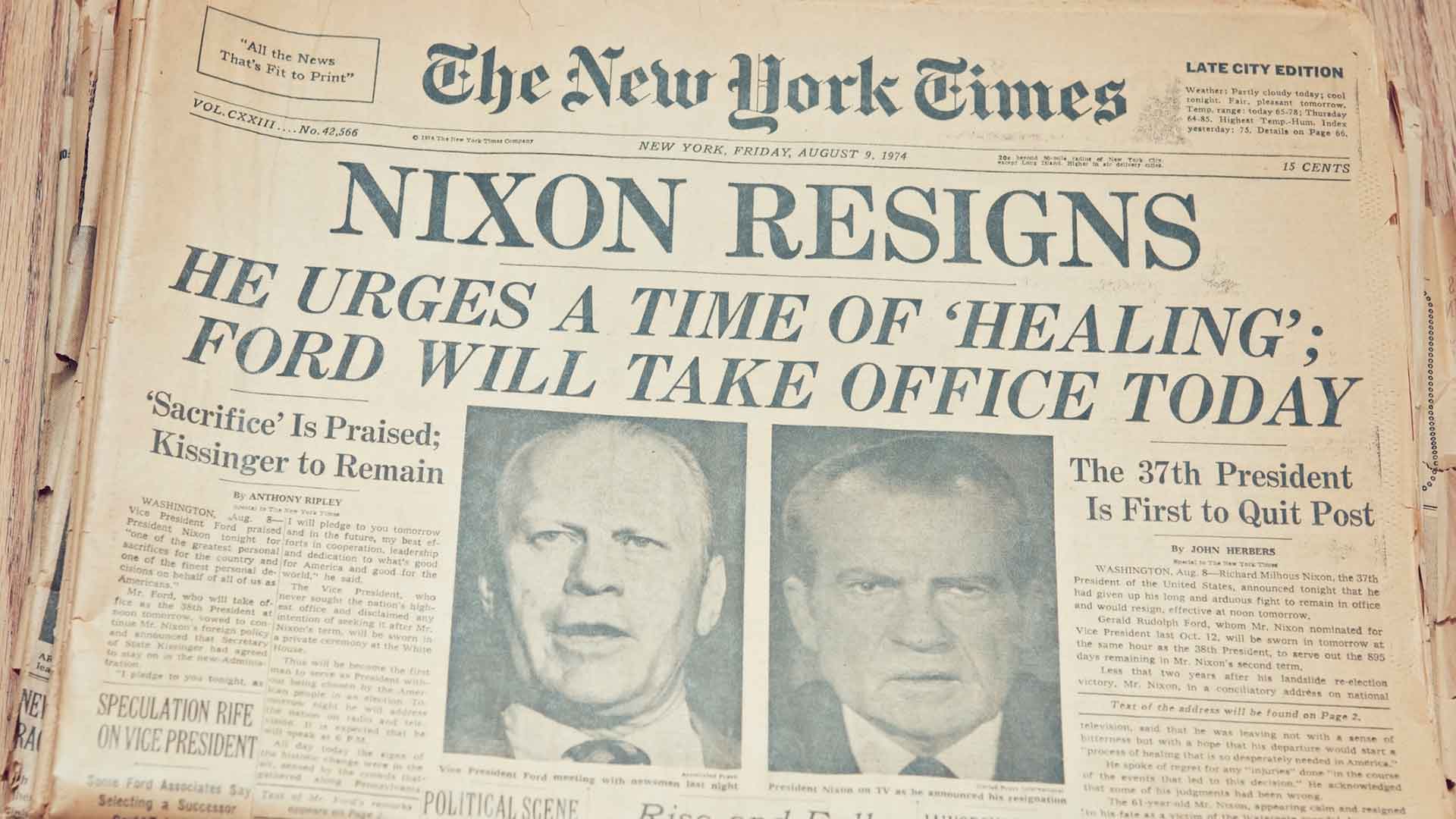
This address (non-controversial and non-partisan) is on the subject because as Americans we ought always, like Lincoln, to seek for the meaning of great events.