Interview with Jerry Leeman: Today we bring you a story about a handful of fishermen rallying against a billion-dollar green industrial project, shady foreign corporations, and our own federal and state government. All are conspiring to generate a cash cow for...
Foreign Policy | Articles
Shot, Silenced, and Smeared: One Physician’s Ordeal with Abuse of Process and his Continued Fight to Clear his Name
By Greg Yates The criminal case People v Gosselin took place in a little red house structure known as the “Town of Highland Justice Court” located in Sullivan County, New York. This little red structure is also known as the Barryville Town Hall, where court is...
Recovering the Lost Art of Diplomacy
Diplomacy is an art and is best defined by its outcomes rather than by its processes. The most consequential outcome by far is the constraint of the power of one’s adversaries.
The Significance of the Recently Released Russia Hoax Documents
The Russia collusion hoax was anchored to two central claims: first, that Trump was a compromised agent of Russia, and second, that Russia interfered in the 2016 election to help Trump. The first claim was completely debunked after years of investigation. It is on the second and far more plausible claim—which was just as key to the hoax—that the newly released documents shed new light. And the revelations are shocking.
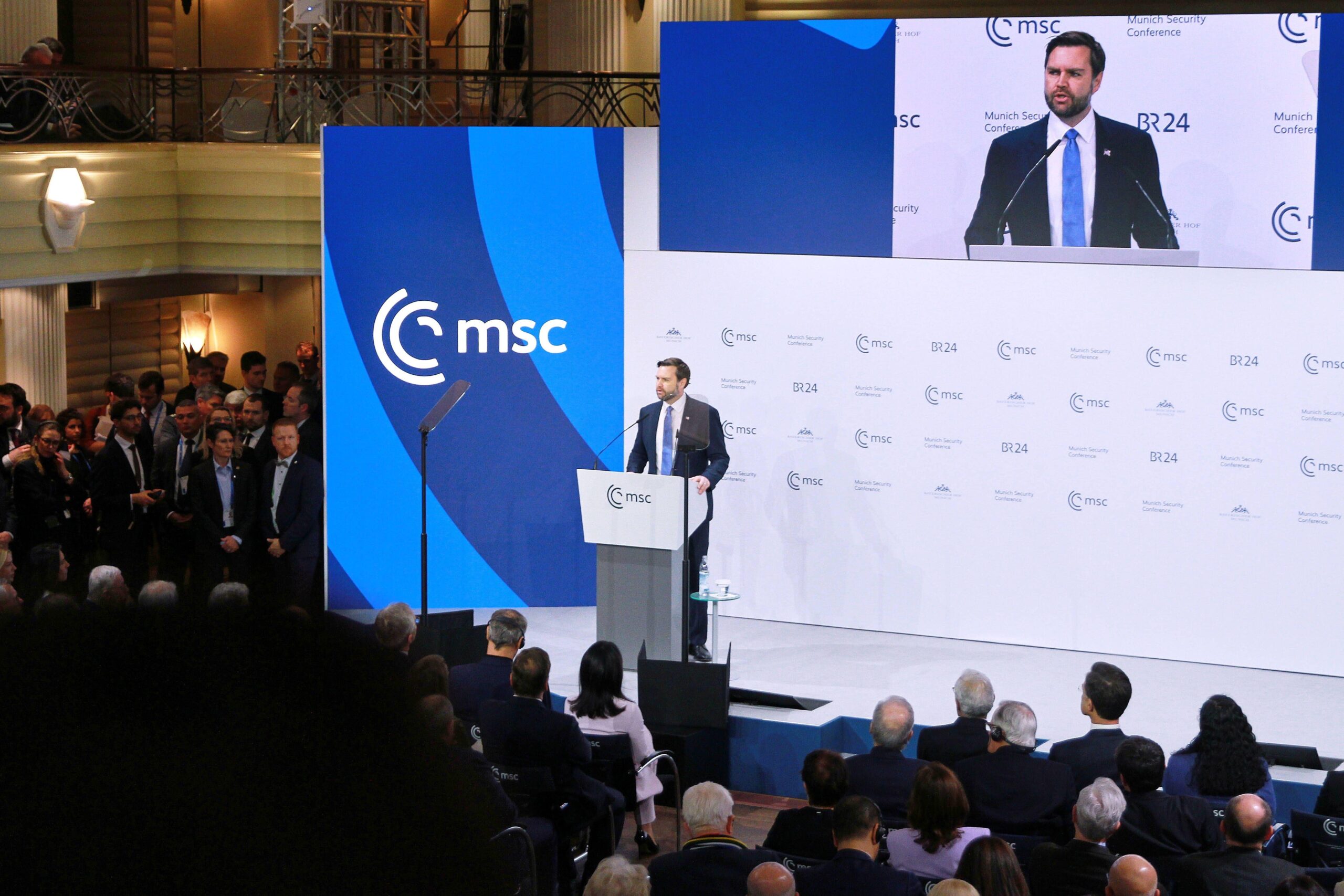
Is J.D. Vance Right about Europe?
The EU brings benefits, but it does so by destroying national sovereignty. It seems to turn the countries it dominates into whimpering, simpering, dysfunctional shadows of the proud nations they once were.
Tariffs in American History
When Alexander Hamilton became the nation’s first Secretary of the Treasury, he immediately began to prepare a schedule of tariffs, along with excise taxes on such commodities as alcohol and tobacco. The Constitution forbids taxing the exports of any state, and so American tariffs have always been laid only on imports.
Populist Conservatism and Constitutional Order
American conservatism exists to serve the people and the nation through the Constitution. This includes defending them against enemies foreign and domestic. And the fact is, elite institutions have become the people’s and the nation’s enemies. They are openly waging cultural war on those they ostensibly serve. They cannot be negotiated with or accommodated. They must be defunded, disbanded, and disempowered. The rewards for doing so—for putting American families first again—will be greater than we can know.
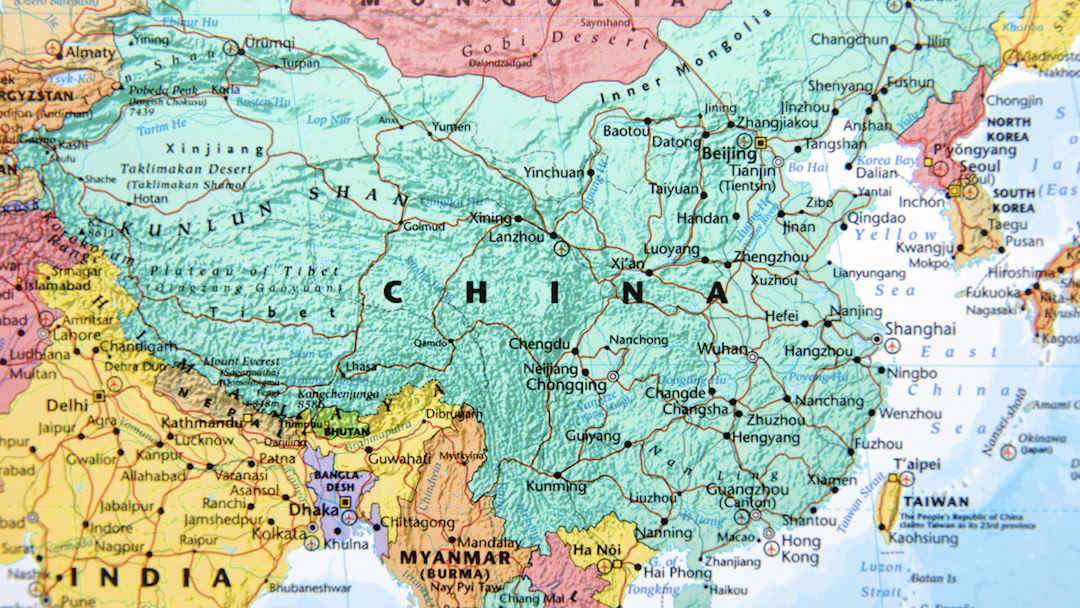
Facing Up to the China Threat
History will record that America’s China policy from the 1970s until recently was very costly because it involved a great deal of self-deception about the nature of the Chinese regime and the men who were running it.
The Urgent Need for a United States Space Force
The reason for a space force is simple: space is the strategic high ground from which all future wars will be fought. If we do not master space, our nation will become indefensible.
Why and How the U.S. Should Stop Financing China’s Bad Actors
A company’s stock will likely decline when it becomes known that the company is providing surveillance cameras for concentration camps or producing ICBMs targeting American cities. You would think that demanding this kind of disclosure would be unobjectionable—but then why is it so hard? Is it because China would be offended?
How to Meet the Strategic Challenge Posed by China
China’s share of high tech exports has risen from about five percent in 1999 to about 25 percent at present. America’s has plummeted from about 20 percent to about seven percent. What this means in practical terms is that America can’t build a military aircraft without Chinese chips.
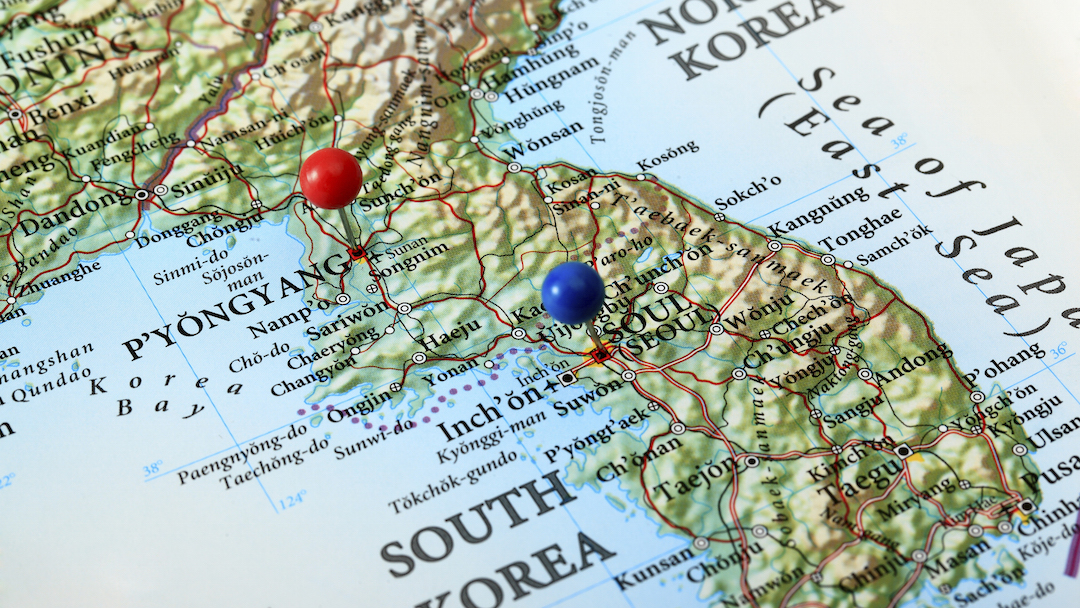
Keeping the Peace: America in Korea, 1950-2010
We are often reminded that the Korean War ended not with a formal peace treaty, but rather with an armistice. And indeed, that is an irrefutable fact.
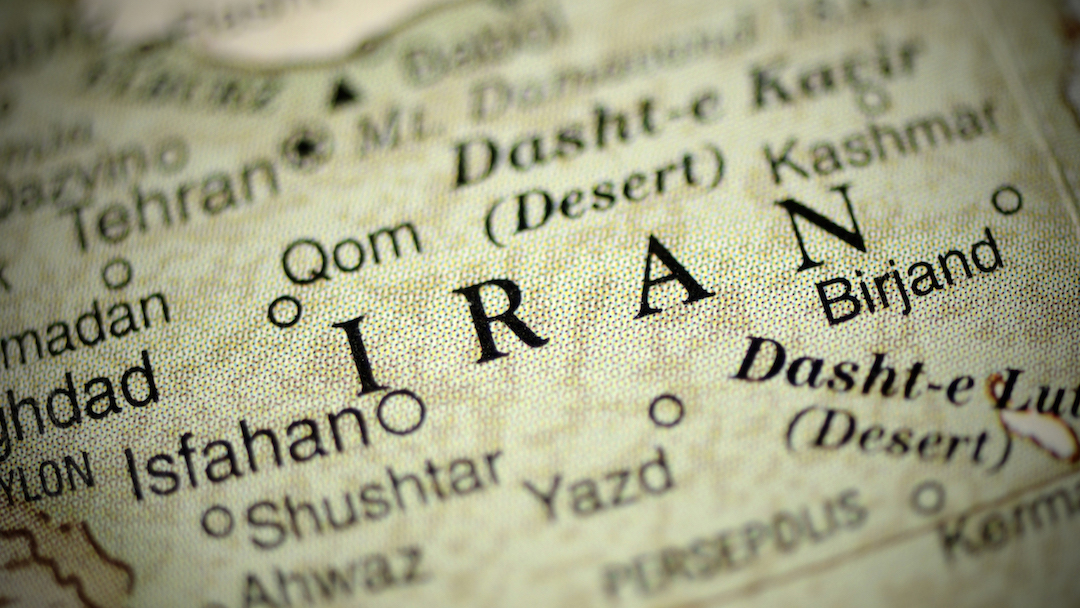
Understanding Iran
So the first thing to understand about Iran is that it is a country where lies and deception are a way of life.
Dealing With China in the Coming Years
The United States represents a beacon of hope to a new generation of Chinese who live in a Leninist regime supervising a semi-capitalist society.
Saddam’s Iraq and Islamic Terrorism: What We Now Know
I was in Baghdad, staying at the famous al Rashid Hotel. From that hotel, CNN broadcast images of the first Gulf War to the entire world.
The Choices Facing Europe
We see violence, terror and fear nearly every day, thanks to 24-hour news coverage. We see poverty and hunger in too many places around the globe.
Vietnam, Iraq, and the 2004 Election
The most significant meaning of the 2004 election is that America has renounced the worst lessons of the post-Vietnam era.
Radical Islam in America
A very interesting fact emerged: of the 19 suicide terrorists on September 11, 15 were subjects of the kingdom of Saudi Arabia.
The American Media in Wartime
The majority of the American media who were in a position to comment upon the progress of the war in the early going, and even after that, got it wrong.
American Unilateralism
We live in a totally new world. We live in a unipolar world of a sort that has not existed in at least 1500 years.
Morality and Foreign Policy: Reagan and Thatcher
“In order to be considered truly free, countries must also have a deep love of liberty and an abiding respect for the rule of law.”
Is America Safe?
A President who is not focused on foreign policy and national security is not doing his job as commander-in-chief of the armed forces.
The Truth about Tibet
We all want to be free—politically and spiritually. The cause of a free Tibet, therefore, is the cause of all people.
Four Points of the Compass: Restoring America’s Sense of Direction
We believe that our form of government, as articulated in the Constitution, has brought forth the most successful society in the history of the world.
The Rebirth of Democracy in the Former Soviet Empire
I said at the outset that this stage in Russia’s transition to democracy is cause for optimism and pessimism. Ultimately, I think optimism will triumph.
Foundations for a Moral Foreign Policy
The conduct of foreign policy today is full of moral language. There is much more moral language than there is morality, or true moral inquiry.
Terror: The War Against the West
Terrorism, in one form or another, is as old as civilization itself. There is a great variety in the methods of attack which can be used today
Seven Myths About NATO
Webb called “for a review of United States commitments to foreign nations and a re-examination of the deployment of American forces around the world.”
NATO: The Essential Treaty
The North Atlantic Treaty Organization is not merely a piece of history; it is essential to our future and undergirds much of our national strategy.
The Crisis in Western Democracy
A crisis is regarded as the result of instability, but that instability offers us the opportunity to eliminate some elements and strengthen others.
Give Freedom Its Turn in Latin America
Today, most Latin American countries are regressing to standards of living of earlier decades. To varying degrees their economies are being deliberately sabotaged by terrorists, obviously well supported by the Marxist international movement and aimed ultimately at the United States.
Central American Policy
What is taking place in Nicaragua is not the outcome of misguided U.S. policies, regardless of how wise or unwise these policies might actually be. It is the outcome of a philosophy, of a worldview, which divinizes power.
Strategic Principles For U.S. Policy in Central America
As one looks at the strategic issues facing the United States, whether they be in Central America or elsewhere in the world, the framework provided by the Principles of War provides a constructive and useful set of questions with which to formulate a response.
The Nature of the Soviet Threat As I Perceive It and How We Should Deal With It
The Soviets are traditionally wary of envoys who speak their language, who are well versed in Soviet objectives and strategy and who are not easily duped.
Foreign Policy: The Decline of American Influence
In the last two years the United States has not only lost influence and allies, it has rapidly lost its ability to shape the direction in which the world is moving.
The Suppression by the U.S. Government of Information Concerning Soviet SALT Violations
The Administration continues to tell us that SALT II and the SALT process is so important that we must exclude anything else from the discussions.
The Decline of the United States as a World Power
John Adams told a friend in 1765: I always consider the settlement of America with reverence and wonder, as the opening of a grand scene.
A Systems Analysis of Détente
Any agreement reached with the Soviet government must be evaluated in the context of their past record and their domestic and foreign policies.