
BANGOR, Maine — The Maine Democratic Party will convene an emergency nominating convention later this month, placing the power to choose its new U.S. Senate nominee in the hands of 601 party delegates following the dramatic collapse of Graham Platner’s campaign.
The unprecedented convention will begin at 9 a.m. on Saturday, July 25, at the Cross Insurance Center in Bangor. The nominee selected there will have just two days before the party’s legally mandated 5 p.m. July 27 deadline to certify a replacement candidate to face Republican U.S. Sen. Susan Collins in November.
Platner won the June 9 Democratic primary with approximately 72 percent of the vote, receiving more than 156,000 votes before his campaign imploded following a sexual assault allegation from a former girlfriend. Platner denied the allegation but announced on July 8 that he would leave the race. He subsequently submitted the formal withdrawal paperwork required to remove his name from the November ballot.
His departure transformed one of the country’s most closely watched Senate contests into a frantic, two-week competition in which candidates must court party activists rather than Maine’s broader Democratic electorate.
The 601-Delegate Convention
The convention will include 101 members of the Maine Democratic State Committee and 500 delegates elected through county nominating meetings.
Each of Maine’s 16 counties will hold a special meeting on July 18 or 19. The meetings may be conducted in person or virtually at the discretion of county party officials, with locations and schedules expected to be announced by July 15.
Only voters who were registered as Democrats in their county as of the June 9 primary and who appear as verified in the party’s voter file may participate. That restriction excludes unenrolled voters who were permitted to cast Democratic ballots during the primary that nominated Platner.
Participants are encouraged to register by 5 p.m. on July 16. Democrats seeking one of the coveted delegate positions must file declarations of intent by 5 p.m. on July 15. Each county will conduct a single round of voting, with the highest vote-getters filling that county’s allotted delegate and alternate positions.
Maine Democratic Party Chairman Charlie Dingman described the process as “representative, transparent, and accessible,” arguing that registered Democrats across the state will have an opportunity to help determine who attends the convention.
The final decision, however, will not be made by the more than 156,000 voters who selected Platner. It will be made by the 601 convention delegates assembled in Bangor.
Candidates Face Signature Test
Candidates seeking the nomination must file declarations of intent and satisfy the party’s qualification requirements.
Those requirements include collecting at least 500 valid signatures from registered Democrats, including at least 50 signatures from each of eight Maine counties. The compressed timetable gives candidates only days to assemble statewide organizations, gather signatures and begin persuading delegates.
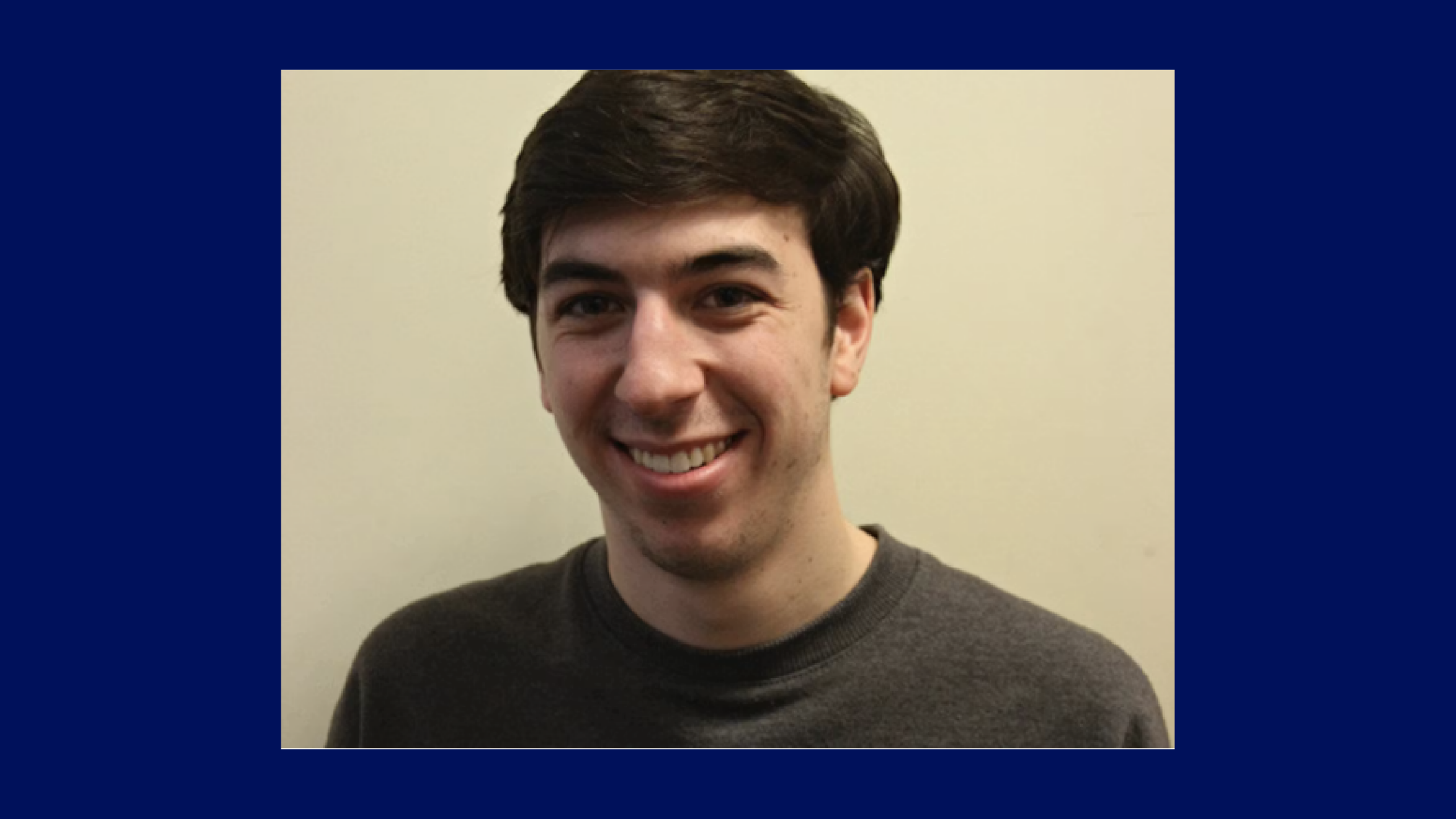
Nirav Shah is reporting that his campaign has already required the needed signatures.
The party’s current voter guide lists seven candidates:
Shenna Bellows, Maine’s secretary of state, is making her second attempt to unseat Collins. Bellows was the Democratic nominee against Collins in 2014 and recently competed in the Democratic gubernatorial primary.
Troy Jackson, the former president of the Maine Senate and a fifth-generation logger from Allagash, entered the race shortly after Platner announced his departure. Jackson had previously endorsed Platner but withdrew that support after the allegation became public.
Nirav Shah, the former director of the Maine Center for Disease Control and Prevention, entered the contest while calling for an open selection process and at least one televised debate.
David Costello, the Democratic nominee for U.S. Senate in 2024 and a candidate in the June primary, has returned to the race after finishing behind Platner.
Jordan Wood, a former congressional chief of staff who previously competed in Maine’s 2nd Congressional District Democratic primary, is also seeking the nomination.
Paige Loud, a social worker who ran unsuccessfully in the 2nd District primary, has joined the abbreviated convention contest.
Elizabeth Dickerson, a former Democratic state representative and former Rockland mayor, is the newest and perhaps most unexpected name appearing on the party’s official candidate list.
Maine Beer Company co-founder Dan Kleban and former write-in candidate Andrea LaFlamme were identified in initial reports as candidates seeking the replacement nomination.
State Rep. Valli Geiger, a former Platner supporter who said Platner encouraged her to seek the nomination, also does not appear on the official list. Geiger had publicly considered entering the race but had not joined the party’s listed field.
Multiple Ballots and Possibly a Coin Flip
The Bangor convention will resemble an old-fashioned political gathering more than a modern statewide primary.
Each certified candidate may have one supporter deliver a nominating speech of up to two minutes, followed by a candidate address of up to five minutes. Delegates will then vote by secret ballot, with each member casting one vote for a single candidate. Proxy voting will not be permitted.
All qualified candidates will appear on the first ballot. The five candidates receiving the most votes will advance to the second round. After that, the last-place candidate will be eliminated following each ballot until one candidate wins a majority.
The rules also provide for one of the more unusual possible endings in modern Maine politics.
A tie affecting advancement, or a tie between the final two candidates, would first trigger an immediate revote. Should the deadlock continue, the Democratic nominee for the United States Senate would be selected through a public coin flip conducted by the convention chairman.
Candidates may withdraw before or during the convention by notifying the party chairman in writing. Any candidate leaving the race would be removed from subsequent ballots.
A Race Against the Clock
The Maine Democratic Party maintains that a new statewide primary is impossible under the tight legal timetable. State law assigns the party responsibility for filling the vacancy but does not prescribe precisely how it must choose the replacement.
Party leaders selected the convention process following a July 8 vote of the Democratic State Committee. Officials have repeatedly portrayed it as the most open process they could construct during an unprecedented political emergency.
The arrangement nevertheless creates a striking contrast.
Platner secured the nomination through a statewide election in which Democrats and unenrolled voters could participate. His replacement will be selected by several hundred registered party members during a single Saturday gathering in Bangor.
Whoever emerges from the convention will inherit a fractured party, a compressed campaign calendar and the formidable task of mounting a statewide challenge against Collins, who is seeking a sixth term in the U.S. Senate.
The Democrats’ first challenge will be surviving the convention. Their next will be convincing Maine voters that a nominee selected by 601 delegates carries the same democratic legitimacy as the candidate chosen by more than 156,000 primary voters.




0 Comments