
Maine Attorney General Aaron Frey (D), facing a surprise challenge from the left-wing District Attorney of Kennebec County and still reeling from a sexual misconduct scandal that embroiled his office last year, has come up with a plan to shore up his support among Democratic lawmakers.
He’s going to sue “Big Oil.”
Frey announced the last ditch effort to preserve his progressive street credentials in a press release this week.
The litigation, at least as Frey’s office describes it, would be a sweeping case against major fossil fuel companies, accusing them of decades-long deception about the “impacts of climate change.”
The lawsuit, filed in state court on Monday, seeks to hold Exxon, Shell, Chevron, BP, Sunoco, and the American Petroleum Institute accountable for alleged misrepresentation and concealment of climate-related risks.
Several of those companies have substantial activities in Maine, including Sunoco, which utilizes the major petroleum storage facilities in South Portland. It’s unclear what the lawsuit will mean for Mainers who have jobs thanks to the fossil fuel sector.
Attorney General Frey will not be representing Maine in this case, as he has little experience with actual litigation. Instead, he’s tapped a far left law firm that has had some small successes extracting money via law suits filed by Democrat-controlled states against energy companies.
The law firm, Sher Edling LLP, is a California-based law firm that has become a go-to resource for states and municipalities pursuing similar climate-related litigation. Sher Edling LLP has a history of taking on fossil fuel companies in lawsuits aimed at securing damages for climate impacts, often working on contingency and collecting a substantial share of any settlements or judgments.
Frey’s lawsuit alleges that these fossil fuel companies knowingly misled the public about the environmental risks of their products.
Frey alleges that the activities of the companies have contributed to rising sea levels, though he provided no evidence to support that claim.
He also alleged that energy companies are responsible for extreme weather events and other climate-related harms, but he also did not provide any evidence of research to support those claims.
According to Frey’s press release, the state is seeking damages for past and future “climate-related costs,” as well as penalties for what it describes as “deceptive practices” under Maine’s consumer protection laws.
“For over half a century, these companies chose profit over prevention, leaving Maine residents to shoulder the burden of their deception,” Frey said in a statement. “This lawsuit is a step toward holding them accountable for the harm they’ve caused.”
Critics, however, argue that lawsuits like these serve as an ideological vehicle to impose higher-cost, less efficient energy alternatives on taxpayers. Industry advocates contend that any financial recovery from such lawsuits ultimately falls on consumers in the form of higher energy prices or taxes to fund renewable energy projects. Opponents also emphasize that the abatement funds sought in these cases often bankroll programs that might struggle to gain legislative approval, including initiatives aligned with Green New Deal priorities.
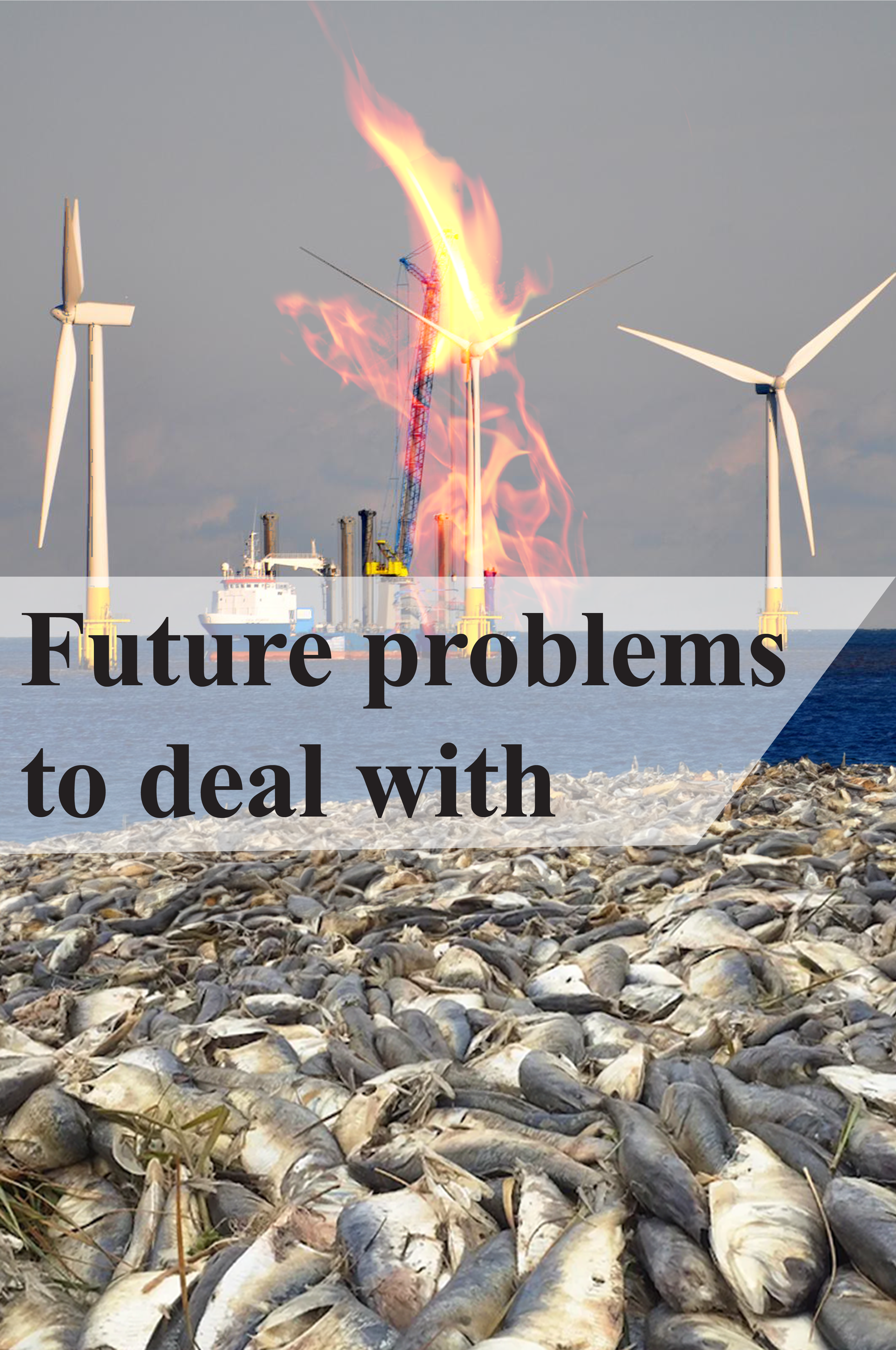
Solar power and wind turbine initiatives have remained unpopular throughout Maine, especially because they inevitably entail higher electricity costs for residents and businesses. Any funding Sher Edling is able to secure through the litigation would likely be used to support a renewed push for those intermittent and less efficient sources of energy.
Sher Edling’s involvement in the Maine lawsuit could draw scrutiny due to the firm’s ties to dark-money funding from environmental advocacy groups, as highlighted in recent congressional investigations. These investigations raised concerns about the transparency and motivations behind such litigation.
The investigation revealed that Sher Edling received over $10.8 million from 2017 to 2022 from nonprofit entities such as the Resources Legacy Fund, New Venture Fund, and Tides Foundation, as well as other groups ties to the Arabella Advisers network of progressive donors. The funding, labeled as grants, was reportedly used to support the firm’s climate litigation efforts. In 2023 alone, Sher Edling received an additional $2.86 million from New Venture Fund, along with $235,000 from Tides Foundation in 2022.
Wealthy donors, including figures tied to organizations like Leonardo DiCaprio’s foundation, reportedly utilized tax-deductible contributions to finance these efforts. Critics argue that such mechanisms allow political goals to be advanced while benefiting from tax advantages intended for charitable activities.
Despite repeated requests from congressional investigators, Sher Edling refused to disclose agreements with its funders, citing protections under the attorney work product doctrine and the First Amendment. Legal experts involved in the inquiry have contested these claims, arguing that federal law does not shield such agreements from disclosure.
The firm has not yet secured any fee-generating wins in its climate nuisance lawsuits, further underscoring its reliance on external financial support. Critics argue that Sher Edling’s strategy of advancing climate policy through litigation undermines democratic processes and imposes significant costs on targeted industries.
Those costs are inevitably passed along to consumers in the form of higher prices for gasoline, home heating fuel, and electricity — meaning Frey’s lawsuit, after the warm progressive feelings subside, is likely to result in higher energy bills for Mainers.
Republican critics have claimed that the firm’s litigation efforts are actually intended to advance climate policy through the courts, thereby circumventing the legislative process and federal energy policy standards.
Frey’s decision to pursue this lawsuit comes as he faces a primary challenge from a progressive contender who has accused him of insufficient action on climate issues. By taking on the fossil fuel industry, Frey appears to be solidifying his stance on climate accountability in a high-stakes election year.
Kennebec County District Attorney Meaghan Maloney recently announced that she was putting herself up for consideration for the Attorney General job, a position that is filled via a Ranked Choice Vote conducting of the combined House and Senate at the beginning of a new legislative session.
Though Maloney and Frey are viewed as equally “soft on crime” with similar approaches to progressive ideas about “restorative justice,” Maloney is more stridently left on social issues and the environment.
But, like Frey, Maloney has baggage of her own.
In October, Maloney became the subject of a disciplinary probe into how she handled allegations from an Oakland woman who alleged that she was drugged and sexually assaulted at a bar in Waterville.
Maloney is also longtime friends with Rep.-elect David Rollins (D-Augusta), who prior to his election to the State Legislature was hit with allegations of sexual misconduct from longtime Augusta resident Pam Dumas.
When the Maine Wire confronted Rollins with the allegations, Rollins acknowledged that an “incident” occurred between he and Dumas, but he insisted it was not sexual in nature. After an in-person meeting, Rollins called urging us to make contact with Maloney who, he said, would exonerate him.
Maloney never answered questions from the Maine Wire about the nature of relationship with Rollins or her reaction to Dumas’s allegations.
The only other candidate in the race for Maine Attorney General is a dark horse bid from the Republican side, Robert “Bobby” Charles.
Although the House Republican and Senate Republican caucuses have yet to announce who they might nominate to stand as their candidates for the constitutional officer positions in December, the leaders of the Maine Republican Party took the unusual step this week of announcing their support Charles on Tuesday.
Charles is a Maine attorney who grew up in Wayne, graduated from Maranacook High School, and went on to attend Dartmouth College, Oxford University, and Columbia Law School.
Charles clerked for the Ninth Circuit Court of Appeals on the West Coast, worked as a litigator, served in the Regean and H.W. Bush Administrations, worked with the Congressional Oversight Committee, and was an Assistant Secretary of State under Colin Powell.
Charlies also has an extensive background in counter-narcotics, which the Maine GOP emphasized in their press release recommending him for the job.
In December, the House and Senate will combine to form a unicameral legislature and vote according to a Ranked Choice Vote process for the constitutional officers, which includes Attorney General, Secretary of State, State Auditor, and State Treasurer.
Should Frey lose that election, it’s unclear what would happen to the ideologically driven climate change lawsuit Sher Edling is looking to collect on. Should Maloney win, she will likely continue to endeavor, as large energy companies provide a good foil for young lawyers looking for a career in politics, regardless of the internal combustion engine vehicle they drive to work.
With the Sher Edling lawsuit, Maine joins a growing list of jurisdictions pursuing similar lawsuits, including California, New Jersey, and Minnesota. While no state has yet won a definitive judgment in these climate lawsuits, the legal strategy has succeeded in keeping fossil fuel companies entangled in prolonged and costly litigation — costs which ultimately increase the price of energy for consumers.
“This case isn’t just about climate accountability,” said Frey. “It’s about justice for Maine people who have borne the brunt of corporate greed and deception.”
This is not the first time Frey has used the Attorney General’s office for virtue signaling purposes.
In 2022, he wrote an amicus brief backing the right of West Virginia boys to get taxpayer-funded castrations if they thought they were girls.


Who is going to tell these idiots that petroleum does not come from fossils?