
Federal officials have rejected Maine’s application for $456 million to construct an offshore wind port at Sears Island.
According to reporting from the Portland Press Herald, Paige Sterling — a media advisor at the U.S. Department of Transportation (DOT) — said in an email that the agency does not comment on applications, “but noting that, as with last year’s awards, these programs were significantly oversubscribed.”
Sterling went on to explain that the DOT received around two hundred applications seeking an aggregate of more than $27 billion, “far exceeding the amount of funding available.”
According to a DOT press release, the agency selected 44 projects to receive a combined $4.2 million in funding, including those which “improve safety, mobility, and economic competitiveness, constructing major bridges, expanding port capacity, redesigning interchanges, and more.”
In February of this year, Gov. Janet Mills (D-Maine) announced that she had selected Sears Island for a 100-acre development to become the site of a new port, dedicated to the construction and implementation of an offshore wind turbine project.
If successfully constructed, the facility would support “floating offshore wind fabrication, staging, assembly, maintenance, and deployment,” according to a February press release from the governor’s office.
“With deepwater access to the port development site, Maine has the potential to establish a premier location for the industry and help meet growing demand in the U.S. for offshore wind port infrastructure,” the governor wrote.
Currently, the state owns 340 acres of the nearly 1,000-acre island, while the rest is dedicated as conservation land.
The state had previously been considering two possible locations for the project, Sears Island and Mack Point. In the end, the governor opted for Sears Island, citing that the state already owned the land and that the project would likely result in a smaller adverse environmental effect at that location.
Several months after this, the State announced that it would be submitting an application to the federal government for $456 million worth of funding to advance the development of this project.
“We knew the grant program would be extremely competitive and that our application was ambitious,” Commissioner Bruce Van Note said in a statement emailed to the Portland Press Herald Tuesday.
“We believe the result is a reflection of the fiercely competitive nature of this program and that it does not reflect, or undermine, the widely recognized need for this port, the strong merit of Maine’s plan, or the vast economic and environmental benefits associated with port development,” Commissioner Van Note stated.
According to the Bangor Daily News, the Commissioner explained that while this rejection represents a notable setback for the project — which is hoped to be completed by 2029 — the State is still seeking $130 million from a separate federal program.
“Today’s news has not changed the fact that we need a port to create good, union jobs, power our economy with affordable, clean, homegrown energy and protect our coasts and communities from the worst impacts of climate change,” said Jack Shapiro, the Natural Resources Council of Maine’s (NRCM) Climate and Clean Energy Director, according to the outlet.
Searsport Town Manager James Gillway told the Bangor newspaper that he remains “confident that this project will create good paying local jobs, lower taxes for our residents and will attract families to help put kids in our schools.”
Rolf Olsen — Vice President of the Board of Friends of Sears Island, which manages a portion of the island set aside for conservation — has spoken out against the State’s decision to pursue Sears Island as the site for this project.
In a statement to the Press Herald, Olsen said that the federal government’s decision “would appear to be a significant financial blow” to develop the facility.
“We’re somewhat encouraged that the state’s port development grant application was turned down, especially since it only considered developing Sears Island and not Mack Point,” Olsen said.
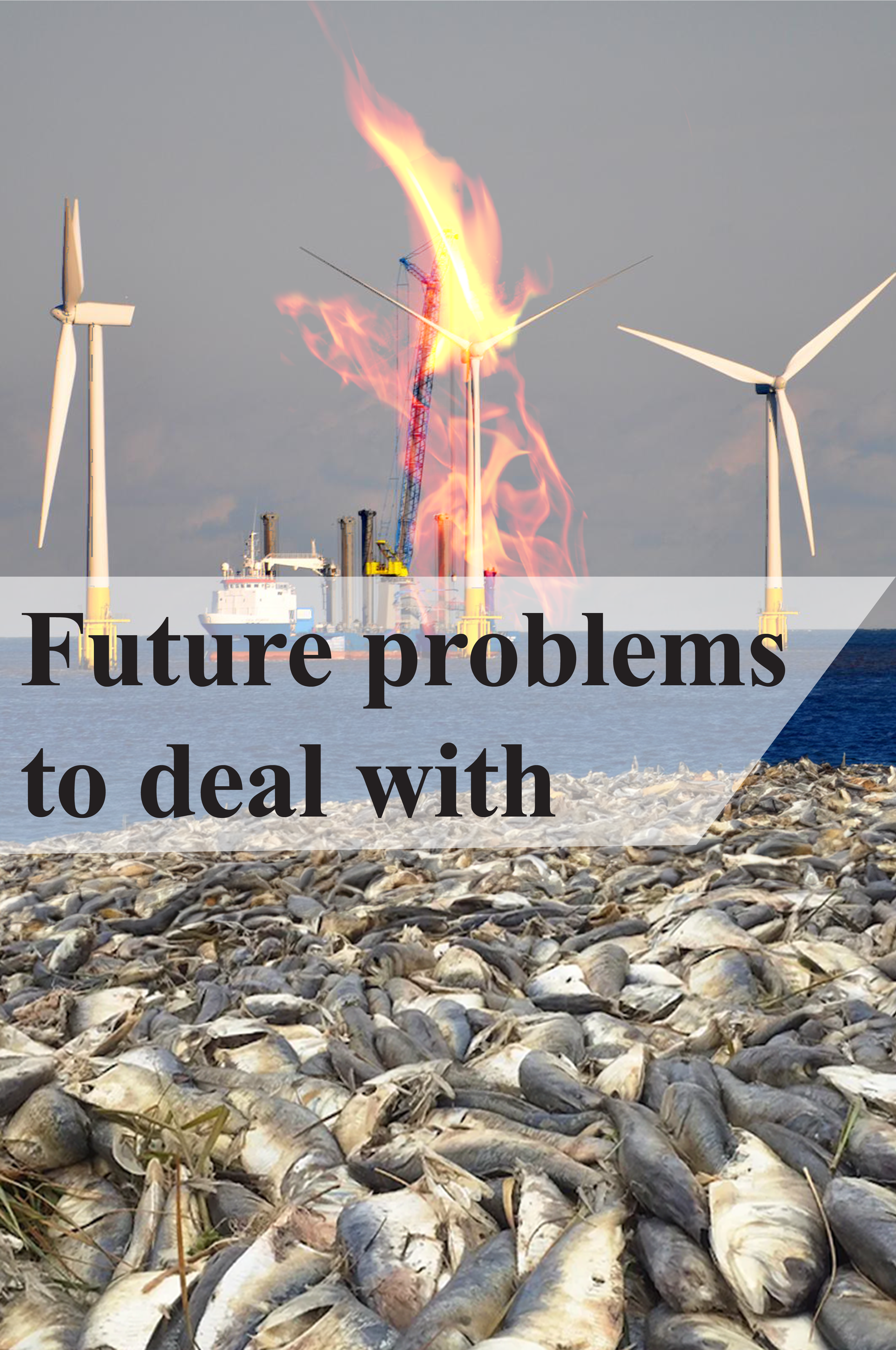
This proposed project has previously drawn criticism more broadly for concerns that the pursuit of wind power may ultimately do more harm than good for the environment.
“My concern is only that in trying to affect climate change, that we’re going to cause more damage to the environment than climate change is already causing,” reportedly said New England Fishermen’s Stewardship Association (NEFSA) Chief Operating Officer Dustin Delano, a commercial fisherman from Friendship.
The Mills Administration has placed a great emphasis on pursuing the development of offshore wind during her administration, including with the Maine Offshore Wind Initiative that was first launched in 2019.
The State has suggested that the Gulf of Maine is “one of our state’s largest untapped clean energy resources,” and that “offshore wind can lead to economic growth and provide clean energy that combats climate change and reduces our dependence on fossil fuels.”


0 Comments