
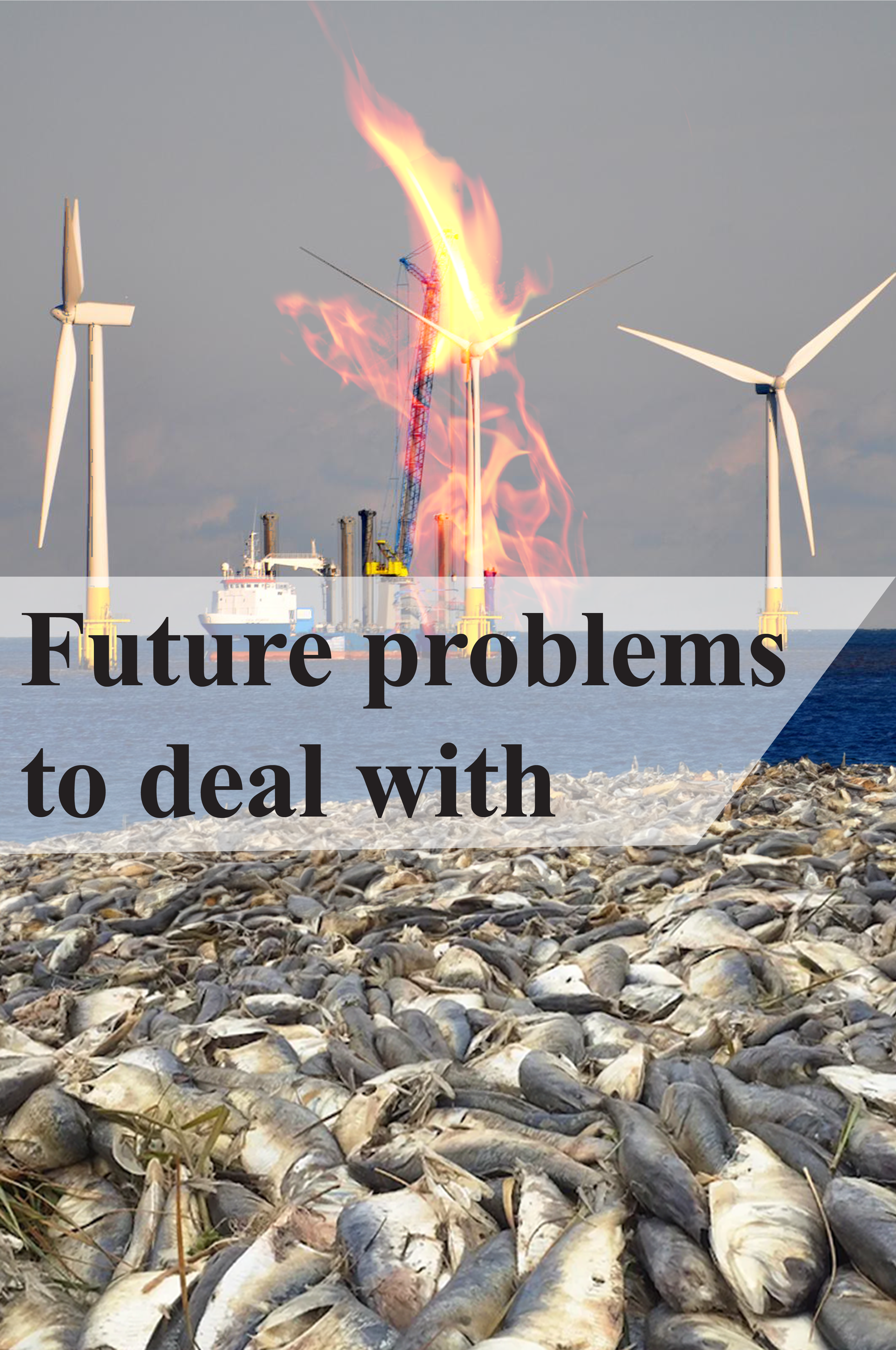
Three Common Pitfalls for Unprepared Presidential Candidates Facing Tough Policy Questions
There are three basic ways for a poorly informed presidential candidate to respond to an unexpected question about anticipated government policy.The least impressive is “Duh.” Another is to attempt evasive redirection of the inquiry to a different subject. The third is to risk total embarrassment by clumsily attempting to deliver a brief, non-committal answer without creating a bumbling ‘word-salad’ context.
An unprepared respondent is quickly exposed for lack of familiarity, a serious shortcoming when so many pressing issues are ripe for public questioning.Is it any wonder that the ‘in the basement’, ‘behind the curtain’, and ‘maybe next week’ defenses have become popular in these troubled times?Neither the supposed experts supporting the expiring presidency nor those yet to be installed are positioned to speak authoritatively for a government in transition.
The range of debatable issues is so extensive and complex that one-line answers can only reveal ignorance. That leaves the highly speculative “trust me” approach as an invitation to a future somehow to be contrasted with that proposed by the opposing candidate - essentially blind faith.
Phil Osifer

0 Comments