
The State of Maine and the Federal Bureau of Ocean Energy Management (BOEM) have reached an agreement on a floating offshore wind research lease in the Gulf of Maine.
The lease covers an area of up to 15 square miles of federal waters located nearly 30 miles southeast of Portland and will be the site of the nation’s first floating offshore wind research array.
The array will include as many as twelve floating turbines and inform how floating offshore wind operates and can co-exist with ocean users and ecosystems in the Gulf of Maine, according to the projects supporters.
“Clean energy such as offshore wind can help reduce Maine’s over-reliance on electricity generated with imported fossil fuels, especially natural gas, which experienced significant price volatility in recent years due to upheaval in global energy markets,” Gov. Janet Mills (D) wrote in a press release Monday.
According to a press release from BOEM, the array is expected to generate up to 144 megawatts of renewable energy. (To put that in perspective, the Seabrook Station nuclear power plant in New Hampshire, which supplies electricity to the grid Maine shares with the rest of New England, has a capacity of 1,244 megawatts.)
“Floating wind opens up opportunities to produce renewable energy in deeper water farther offshore.” said BOEM Director Elizabeth Klein. “Signing the Gulf of Maine research lease demonstrates the commitment by both BOEM and the State of Maine to promote a clean energy future for the nation.”
“It is another example of a successful all-of-government effort to reach the Administration’s offshore wind energy goals and to combat the impacts of climate change,” Director Klein said.
Click Here to Read BOEM’s Full Press Release
Maine first applied for a “renewable energy research lease” in October of 2021. A Determination of No Competitive Interest was issued in March of 2023, meaning that the agency was then able to move forward with Maine’s application.
The initial advancement of this application by the state came as a result of the Legislature’s approval of LD 336 which declared such a project to be in the public interest and authorized the Maine Public Utilities Commission (PUC) to negotiate a contract for up to 144 megawatts of energy.
This bill was approved along nearly partisan lines in the Senate, with all but one Democrat voting in support of it and all but two Republicans voting in opposition. The House advanced this legislation without taking a roll call vote.
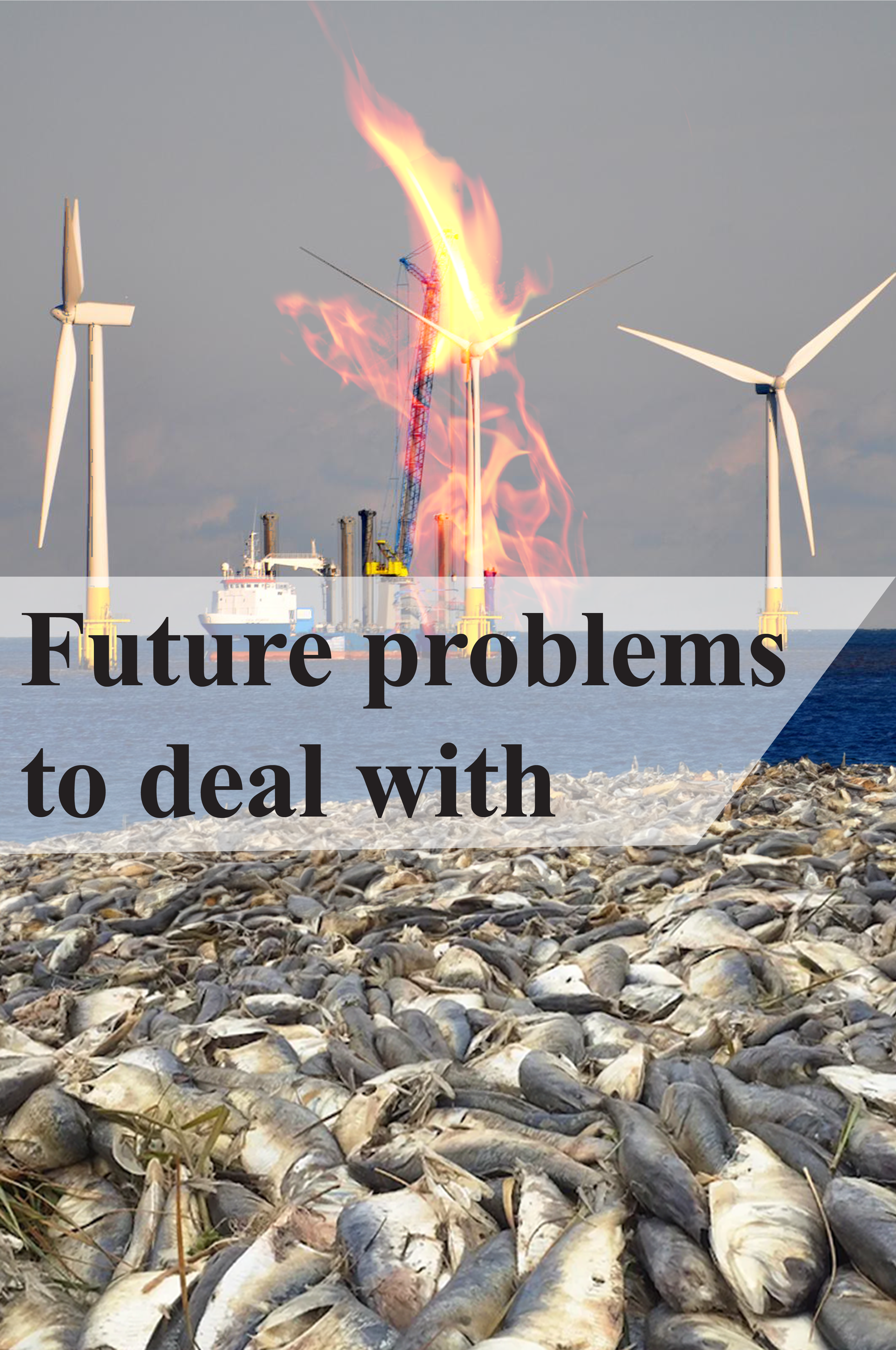
Earlier this summer, Vineyard Wind US — a joint venture of Central Maine Power (CMP) parent company Avangrid and Copenhagen Infrastructure Partners — came under heightened scrutiny after one of its wind turbines was significantly damaged, causing a blade the size of a football field to break apart into the water.
The Bureau of Safety and Environmental Enforcement (BSEE) went on to issue a suspension order directing Vineyard Wind “to cease power production from all its wind turbine generators” — as well as all further construction — until it can be determined if the “failure” that caused the damage impacts any of the project’s other turbines.
The project, located 14 miles off the coast of Martha’s Vineyard, had previously been heralded as the “first large-scale offshore wind farm in the nation.”
“Clean energy from offshore wind offers an historic opportunity for Maine to create good-paying jobs, reduce our reliance on fossil fuels, and fight climate change by cutting greenhouse gas emissions,” said Mills in her Monday press release.
“This lease between the state and BOEM to support the nation’s first research array devoted to floating offshore wind technology is the result of extensive engagement with stakeholders and communities across our state to establish Maine as a leader in responsible offshore wind, in balance with our state’s marine economy and environment,” Mills said.
“Offshore wind technology presents a historic and promising opportunity to further grow our economy, support hardworking Maine people and pave the way for a cleaner, greener tomorrow,” said Sen. Angus King (I).
“This floating research lease represents a continued investment in innovative offshore wind technology and research, and will help Maine embrace a secure, sustainable energy future — while striking an important balance with the needs of our fisheries and fishing communities,” Sen. King continued.
“For years, the University of Maine has worked to develop a floating offshore wind facility and this partnership is a tremendous step forward in cementing our state as a renewable energy leader,” said King. “I am proud to have advocated on behalf of this project as a member of the Senate Energy and Natural Resources Committee, and look forward to this project’s future success.”
“Offshore wind presents a generation-defining opportunity for Maine to lead the nation in clean energy innovation,” said Rep. Chellie Pingree (D). “This agreement between the [BOEM] and the state is a critical step forward in harnessing the power of the Gulf of Maine to create good-paying jobs, reduce our reliance on fossil fuels, and fight climate change.”
“The research conducted here will not only advance our understanding of this technology but will ensure that its development respects our vibrant marine ecosystems and the livelihoods that depend on them,” Rep. Pingree said. “Maine is poised to become a model for responsible and sustainable offshore wind development, and I’m proud to support this groundbreaking work.”
“Harnessing the abundant clean power generated by offshore wind in the Gulf of Maine will grow Maine’s economy, reduce carbon emissions, and help the state reach 100 percent clean energy by 2040,” said Dan Burgess, Director of the Maine Governor’s Energy Office (GEO). “Already a pioneer in floating offshore wind, this lease will further the state’s ongoing research by providing critical firsthand experience with the first multi-turbine array in the United States.”
Click Here to Read Gov. Mills’ Full Press Release
Construction on the array is not likely to take place for several years as a Research Activities Plan must first be submitted to BOEM for environmental analysis under the National Environmental Policy Act.
Additional details on the timing of construction are expected to become clearer as the permitting process progresses.


0 Comments